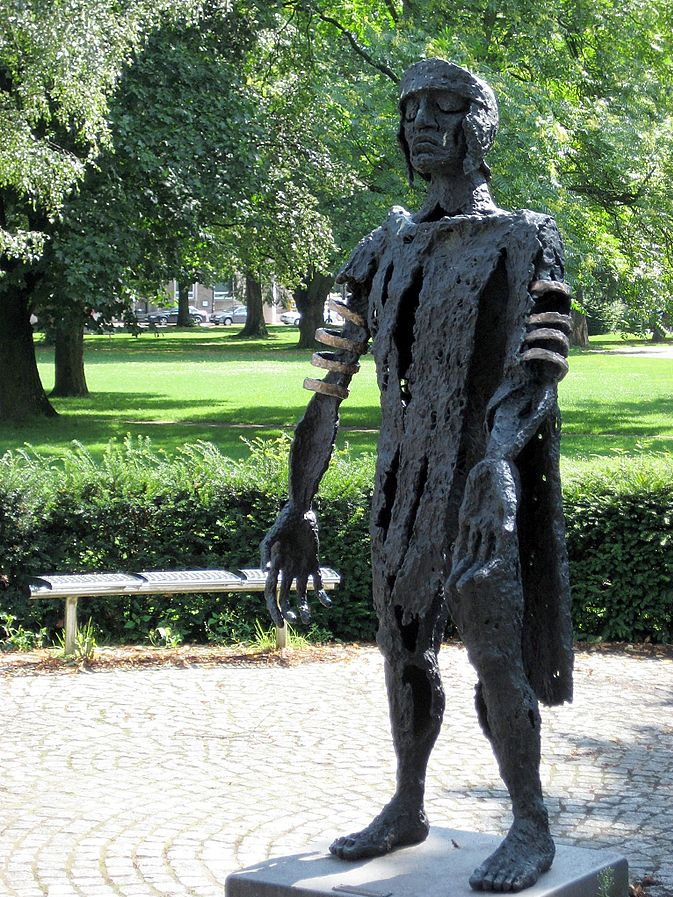
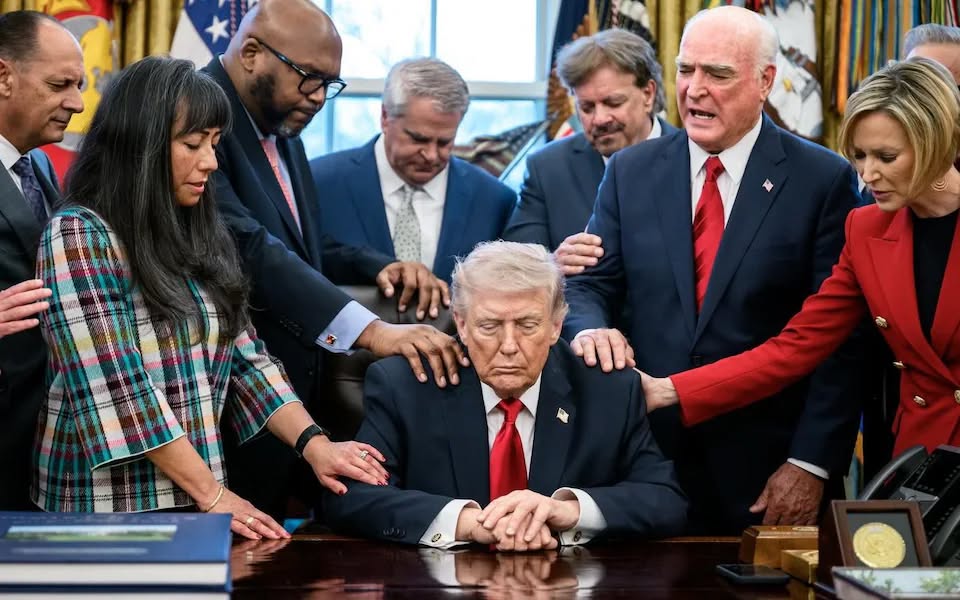
« Epic Stupidity », voilà comment le général Michel Yakovleff a rebaptisé l’opération militaire spéciale de Donald Trump en Iran. Et comment lui donner tort ? Jamais chef de guerre plus stupide n’aura foulé une terre étrangère – sauf peut-être Publius Quinctilius Varus à la bataille de Teuboburg, et encore. Non seulement ses appels à l’aide sont contradictoires avec le ton triomphaliste qu’il affiche en toutes choses – non seulement son triomphalisme en stuc ne trompe personne – mais Donald Trump perdra sa guerre pour n’avoir rien retenu du théâtre ukrainien. Il est vrai qu’on ne peut pas être au four et au moulin : flatter un dictateur et comprendre la révolution militaire que l’Ukraine a mise en œuvre pour lui résister.
Une chose paraît certaine : l’ironie de l’Histoire a fait son grand retour depuis que Donald Trump n’a plus les cartes en main et que le KGBiste et le MAGA se retrouvent comme des imbéciles au milieu du gué. N’en déplaise aux supporters français de Donald Trump (ces réalistes qui n’ont rien vu venir, pas même le tournant “Bushiste” de leur champion), l’Europe est aujourd’hui la seule puissance capable de résister à la folie des kleptocrates qui n’ont d’autre solution que de mener des guerres en cascade pour ne pas affronter la justice dans leur propre pays.
On dira que l’Europe est une puissance impuissante, mais elle empêche un autocrate de remporter la mise dans un pays qui ne lui appartient pas – ce qui n’est pas rien.
On dira l’Europe incohérente, mais cette incohérence vaudra toujours mieux que la cohérence qui relie Viktor Orbán à Robert Fico, et Fico à Vladimir Putin. Ou Poutine aux tortionnaires iraniens, au cas où les trumpistes n’auraient toujours pas fait le rapprochement.
On se demande pourquoi Poutine dépense autant d’argent sur les réseaux sociaux alors que les intellectuels français assurent d’eux-mêmes le service après-vente de ses mensonges. Prenez Barbara Lefebvre – l’historienne des Grandes Gueules – laquelle déclare tout de go : « je suis désolée, la Crimée a toujours été russe. »
Madame Lefebvre a bien raison d’être désolée de penser ce qu’elle pense, parce qu’il est aussi arbitraire de faire débuter l’Histoire de la Crimée à 1783 (date de l’annexion russe) que de faire commencer l’Histoire de France au règne de Louis XVI. La politiste Alexandra Goujon, maître de conférences à l’Université de Bourgogne et grande historienne de la région, a consacré tout un chapitre à ce poncif idéologiquement orienté dans son ouvrage, « L’Ukraine, de l’indépendance à la guerre » (p. 75 et suivantes). C’est justement parce que les Russes étaient minoritaires en Crimée que Staline a fait déporter les Tatars dans des wagons à bestiaux afin qu’ils aillent mourir plus tranquillement en Sibérie. Évidemment, une fois qu’on a déporté les non-Russes (Grecs, Arméniens, Italiens, Bulgares) à l’aide du NKVD, on peut aboutir à la conclusion que la Crimée a toujours été russe.
De même qu’on ne peut pas être au four et au moulin, on ne peut pas faire le jeu du Kremlin et servir la vérité. Madame Lefebvre aime à se présenter comme historienne, ce qui est peut-être vrai au sens strictement salarial du terme mais demeure une énigme pour tous les spécialistes authentiques de la Crimée. On trouvera ses arguments convaincants, à condition de ne pas s’intéresser au sujet et de ne jamais ouvrir un livre d’Histoire.
Du temps où l’Occident se croyait invincible, des ultranationalistes aussi délirants que Vladimir Zhirinovsky ou Alexandre Douguine passaient pour des rigolos en Europe. Ces hommes réunissaient, au nom d’un messianisme russo-centré effectivement convulsif, le pire du XXe siècle : haine viscérale de la démocratie, impérialisme assumé, suprématisme ethnique et culte de la force.
Preuve que les tribuns à la Goebbels l’emporteront toujours sur nos bons pacifistes, tout ce que Zhirinovsky proposait a été mis en œuvre par Poutine — tout spécialement en Ukraine. C’est dire si nous aurions bien tort de prendre les récents propos d’un Soloviov à la légère.
Prétendre que les Européens considèrent les Russes comme des « sous-hommes ». Présenter sa nation comme victime d’une haine « totale ». En déduire que la guerre devient existentielle, donc nécessaire : les vrais nazis n’ont jamais raisonné autrement. Il nous reste à paraphraser Pasolini : les nazis reviendront, et ils prendront l’apparence de l’anti-nazisme.
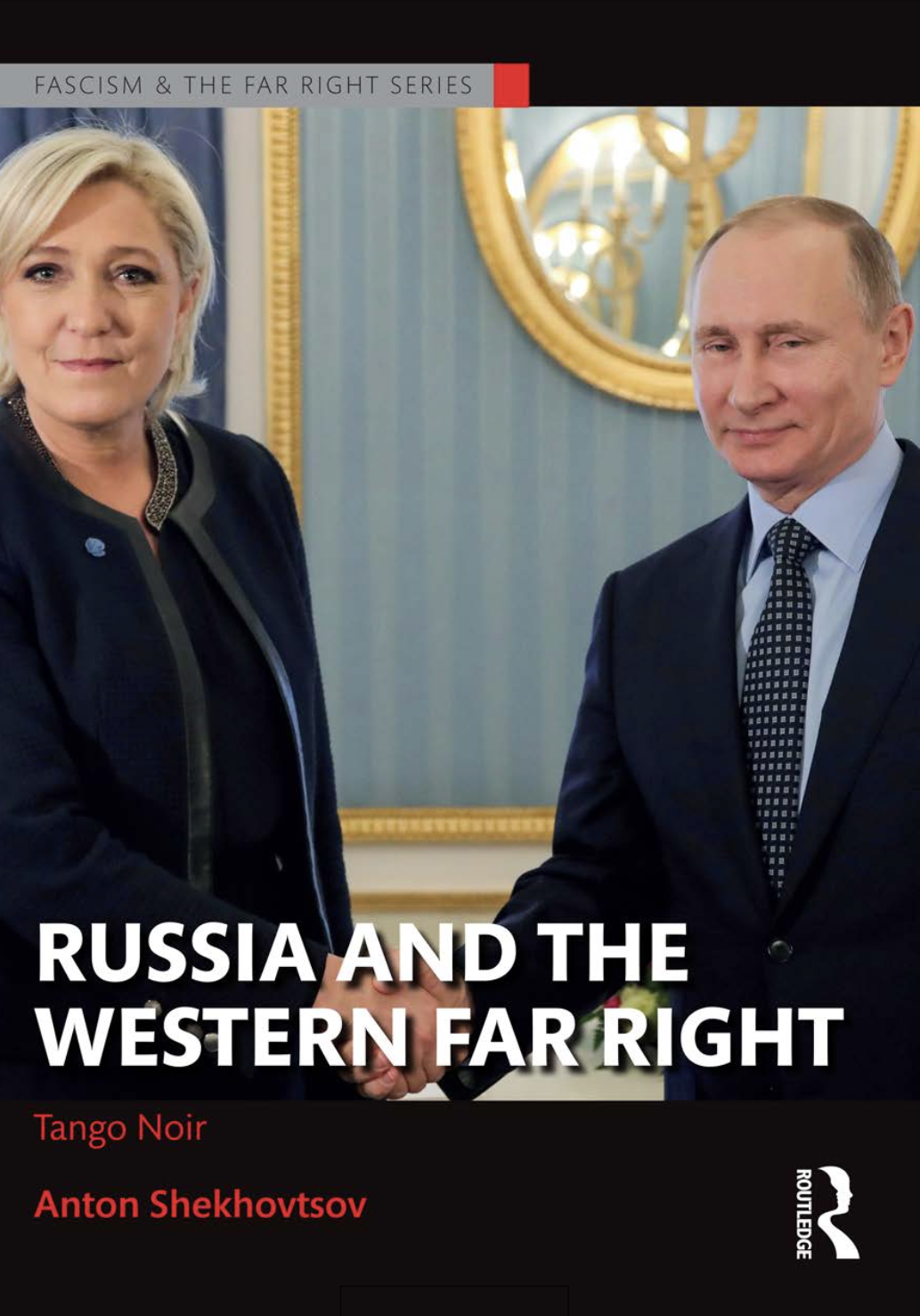
Si d’aventure le lecteur souhaitait s’informer sur le soutien du KGB aux « patriotes » issus du nazisme — prélude à l’affinité si touchante qui unit nos fachos à la Russie éternelle — il pourra toujours consulter ce livre d’une précision et d’une rigueur redoutables. Tout y est. Organisations, contacts, infiltrations, mots d’ordre. Ce classique a presque dix ans, et il n’a pas pris une ride.
La guerre d’Ukraine est parfois comparée à la guerre d’Espagne, mais ce parallèle historique a ses limites. Il est exact que la Russie est une dictature dans laquelle même les poutinistes français les plus acharnés n’iraient jamais vivre. Il est exact qu’une invasion militaire est un coup de force et que ce coup de force n’a pas d’autre objet que de soumettre la république ukrainienne (aussi imparfaite que pouvait l’être la république espagnole, ou française, d’alors) au dictateur en question. Il est exact que le coup militaire de Franco bénéficia du soutien matériel de Hitler et Mussolini, et il est non moins exact que toute la racaille totalitaire ou fascisante (inutile de citer les noms) se range comme un seul homme derrière Poutine.
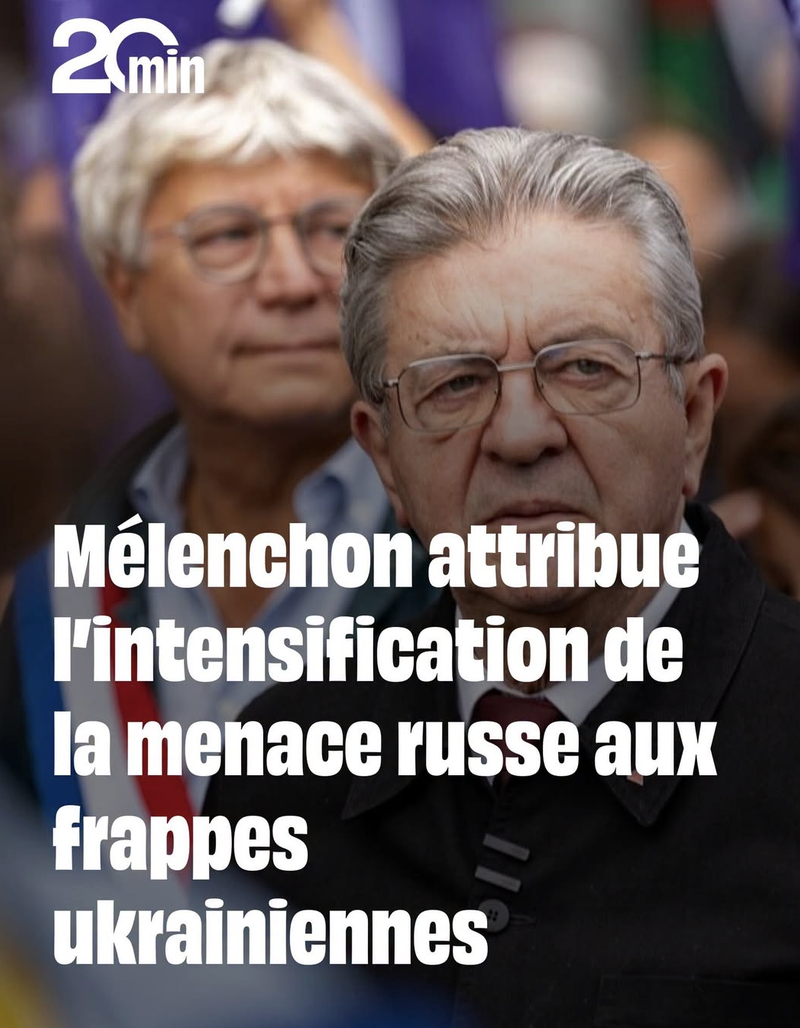
Mais Staline et le NKVD entendaient noyauter la résistance antifasciste, alors que les « antifascistes » d’aujourd’hui n’ont pas à se donner une si grande peine. Voyez Mélenchon : le nouveau maître de la gauche française n’a pas besoin de noyauter la résistance pour la bonne et simple raison qu’il s’est rangé, dès le début, du côté de l’agresseur. Une guerre d’Espagne dans laquelle le « Front Populaire » volerait au secours de Franco ? Voilà notre situation.
Yaryna vient de commenter le plan de capitulation de Donald Trump – commentaire que j’ai plaisir à traduire en français et à partager ici.
«En tant que militaire actuellement en mission de combat dans la région de Kherson, je déclare m’opposer à tout ordre de se retirer sans combattre. Il s’agit d’un ordre criminel, et je ne l’exécuterai pas. J’appelle les autres militaires à déclarer de la même manière que nous ne donnerons pas gratuitement les territoires que nous tenons depuis des années – à Kherson, dans le Donbass et Zaporijjia – au nom des intrigues politiques américaines et des intérêts ouvertement russes. C’est une trahison envers nos frères d’armes qui ont donné leur vie pour l’Ukraine»
Photo : Petro et Yaryna sur la route si particulière qui relie Mykolaiv à Kherson. Au centre de la photo, le très précieux détecteur de drones Tchuika.
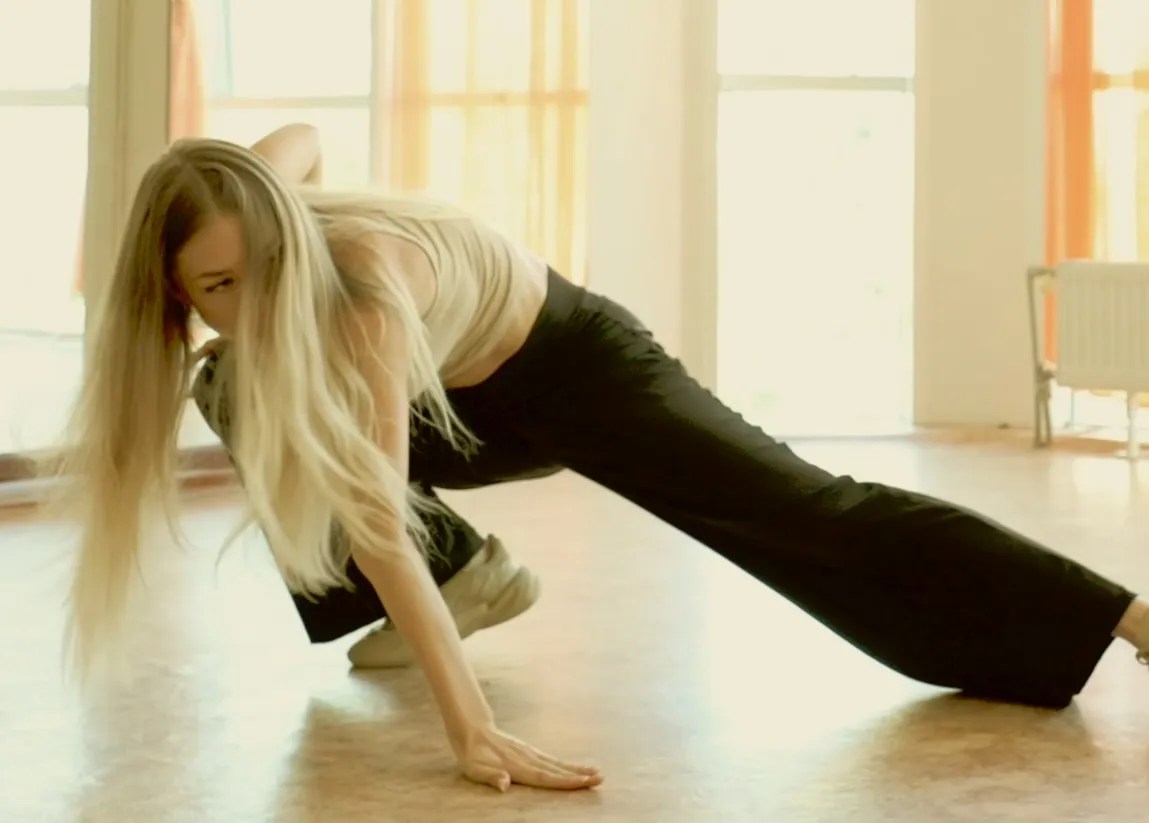
Kherson is arguably the worst place in war-torn Ukraine. Sitting directly on the zero line, the city endures relentless shelling and drone assaults meant to kill or maim children, parents, workers — anyone. Over time, the vast majority of its inhabitants have vanished, until all that remains is the ghost of a once-vibrant city. But then I met a dance teacher named Alyona — so brave, so unpretentious, so undramatic. “I will never leave Kherson,” she told me. “I was born here. This is my city. I’m not a hero or anything like that. My mission is to make sure my students are happy when they dance, that’s all.”
***
DdN – Thank you so much for agreeing to this interview. Let me start with a stupid question : how are you today ?
A – I’m fine, actually.
DdN – Seeing you dance in Zarina Zabrisky’s film Kherson: Human Safari made me curious about your story — how did dance become part of your life?
A – I started dancing in primary school, then in secondary school, and later at university. As a matter of fact I’ve never stopped dancing. But if we talk about teaching, then I started in middle school. Teaching is the perfect trick to get people dancing around you.
DdN – You have the body of a ballerina but your field is modern dance. What is your training background ?
A – Funny you should say that because I’ve never had any classical training. Hip-hop was my one and only teacher. (Laughter)
DdN – Were you aiming to join any particular company back then?
A – At seventeen, my friends and I went ahead and started our own company in Kherson. I also had the opportunity to audition in Kyiv, to become a professional. But then I realised that my dream, in a professional sense, was different.
DdN – You’re not only a dancer, you’re also a dentist. There’s a very funny word in Ukrainian — шпагат, the “splits”, le grand écart. How on earth did you manage that split between dance and dentistry ?
A – As a child I was the one in charge of my family’s teeth. (Laughter) I naturally set myself the goal of becoming a dentist. This passion proved stronger than dance, at least professionally.
DdN – You’re a dentist in Kherson. Kherson isn’t exactly the easiest place in the world to live in. How do you manage with everything happening around you?
A – I guess my task is to show my students that there is more to life than war. I’m not a hero or anything like that. My mission is to make sure they are happy when they dance, that’s all.
DdN – Who are your students? I mean, what are they like?
A – I welcome anyone in my class. I don’t really care about technical abilities. Teenagers, young women, ladies in their fifties…
DdN – All women ?
A – Yes.
DdN – Are there many dance classes in Kherson at the moment?
A – In the city center, I’m the only teacher left. [The center is one of the most exposed parts of the city.] Otherwise, you can still find classes in the more remote districts.
DdN – We talk about war but you live here. You know better than anyone what it’s like. Is there anything you feel is lacking in our perception and understanding of this war ?
A – Maybe it’s a Ukrainian thing, but I really dislike being treated as a victim. There’s no need to make things more dramatic than they already are. I can only hope that no one ever has to live through what we are living through.
DdN – You could easily live somewhere else. What makes Kherson so special to you?
A – I travelled a lot, even to the Côte d’Azur [Alyona’s mother is a French teacher], but this is my native city. I just can’t leave my native city. This is where I should be.
DdN – What projects are you working on at the moment?
A – Right now ? I’m focusing on Zarina’s new film on Kherson. I’m so glad we get to keep doing this project together.
DdN – I’m sure your contribution will be just as brilliant as in the first one. I know you have a lot of work today. Thank you so much for your time and kindness.
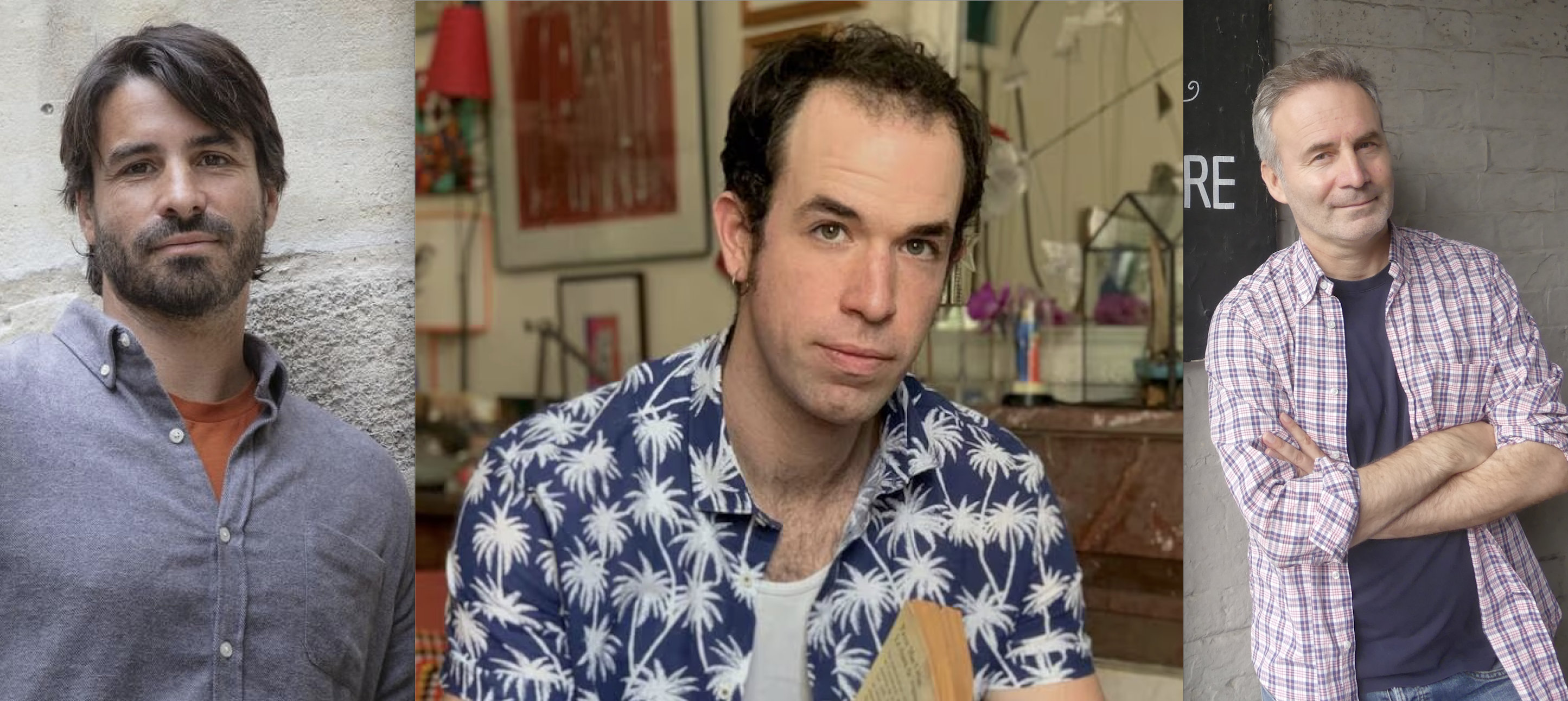
Partir de toute façon, et réfléchir ensuite à la meilleure manière de témoigner de ce que l’on voit. Conversation avec deux amis écrivains sur l’impérieuse nécessité de se rendre sur place. Merci aux éditions 49 Pages d’avoir accueilli cet échange sur la résistance ukrainienne, et merci à Lola Moreau de l’avoir animé avec finesse et générosité.
Intervenants :
Damien Castera : photographe, réalisateur de films documentaires et écrivain. Dernier livre paru: « La liberté ne meurt jamais », Gallimard, 2025.
Tom Buron : poète et écrivain. Dernier livre paru : « Le nom de la bataille », éditions 49 pages.
David di Nota : écrivain, traducteur, directeur éditorial de la revue internationale Kyivdesk : https://kyivdesk.com/
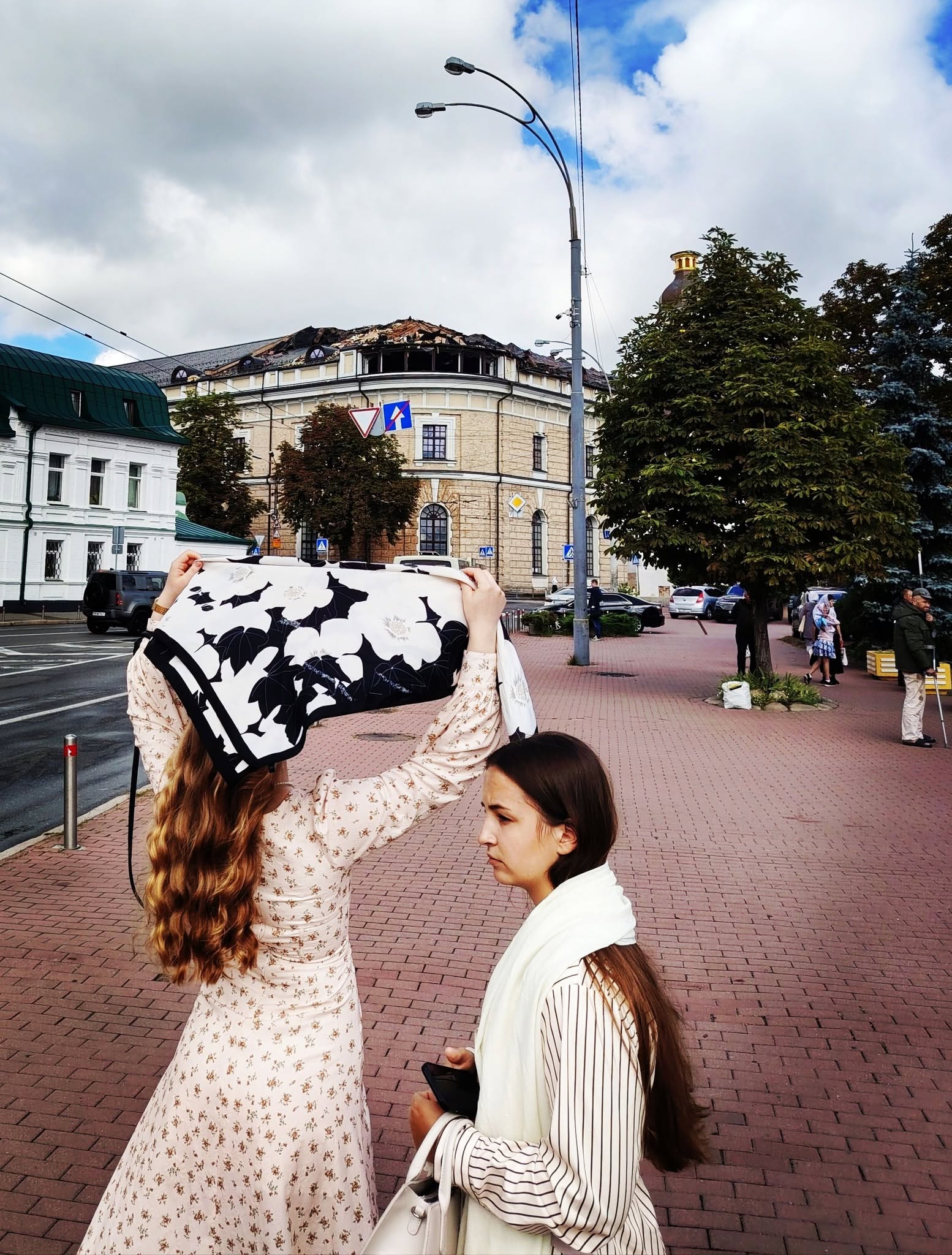
À la sortie de la Divine Liturgie, une croyante remet son châle devant un bâtiment de la Laure de Kyiv dont le toit a été gravement endommagé lors de l’attaque russe de juin 2026.